A Subaru Outback can feel almost unkillable until a faint smell, a damp seam, or a twitchy temperature needle changes the whole mood. For many USA owners, head gasket failures are scary because the car may still drive, start, and pass a casual glance while the repair bill is already growing in the background. The early answer is simple: do not treat coolant loss, oil seepage, or heat spikes as normal old-car behavior. A gasket leak can stay small for months, then punish you on a highway climb, in summer traffic, or during a winter trip with the family loaded in the back. That is why a calm diagnosis matters more than panic. You need to know whether you are seeing a small external leak, an internal breach, or another engine problem wearing the same mask. A smart owner reads the signs, asks for proof, and checks repair math before approving a bill. For broader auto ownership guidance, resources like car care decision support can help drivers think past the first quote and focus on what the vehicle is still worth.
How the Subaru Outback Turns a Small Leak Into a Big Repair
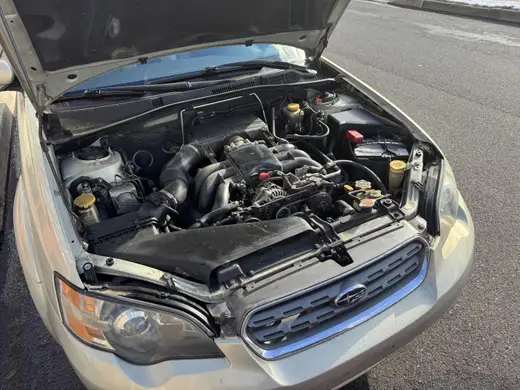
The Outback’s flat-four layout is part of its charm, but it also changes the way leaks show up. The cylinder heads sit low and wide, so oil and coolant can seep along seams where a quick top-side glance tells you almost nothing. That is the trap. A small wet line under the engine may look less urgent than a flashing warning light, yet it can be the first move in a repair that reaches several thousand dollars. Many owners also buy these cars for bad-weather trust, so they keep driving through snow, rain, and long commutes while small clues get buried under normal road grime. The first decision is not repair or sell. It is whether the symptoms are real and repeatable.
Subaru head gasket symptoms that owners miss early
The most common early clues are boring, which is why people ignore them. You may notice a sweet coolant smell after parking, an oily film near the lower engine edge, random coolant top-offs, or a faint puff of white exhaust on cold startup. None of those proves the gasket is finished by itself. Together, they deserve attention. A driveway that smells sweet after shutdown can be more useful than a dashboard that stays calm.
Subaru head gasket symptoms often get confused with valve cover leaks, radiator cap trouble, water pump seepage, or old hoses. That is why guessing from a driveway stain can cost you money. Ask the shop to show dye-test results, pressure-test findings, or clear photos from underneath the car. A good technician should welcome that request because it protects both sides from a fuzzy diagnosis.
A non-obvious warning is the heater. If cabin heat turns weak during idle, then returns when you rev the engine, air may be moving through the cooling system. Owners often blame the thermostat first. Sometimes that is right. Sometimes the cooling system is whispering before the temperature gauge shouts. Treat that kind of pattern as a clue, not a minor comfort issue.
Why the boxer engine makes diagnosis feel tricky
On many inline engines, a head gasket leak leaves evidence in a place you can see from above. On the Outback, the boxer layout hides much of the seam near the frame rails, exhaust, and lower engine area. A rushed inspection can miss the leak or blame the wrong seal. That is how owners end up paying twice. The car’s design does not make diagnosis impossible, but it does reward patience.
A second problem is heat behavior. The temperature gauge may sit steady during short errands, then climb on a long grade outside Denver, in stop-and-go Atlanta traffic, or while driving across Arizona with the air conditioning on. The engine may act innocent until load, heat, and pressure line up. That uneven pattern can make the owner doubt the problem, especially when the car behaves during the next short trip.
Good diagnosis follows the fluid path. Coolant residue near the head seam, bubbles in the overflow tank, combustion gases in coolant, and unexplained loss from a sealed system point toward deeper trouble. Oil on the steering rack or crossmember can mean a gasket leak, but it can also come from above. Proof beats reputation every time. A mechanic who can explain the path of the leak is worth more than one who names the repair in ten seconds.
Why Subaru Outback Head Gasket Failures Get So Expensive
The high bill is not only about the gasket. The part itself is not the villain. Labor, access, machining, aged parts, and “while we are there” service turn a gasket job into a serious decision. That is why a cheap estimate can be as risky as an expensive one if it skips the work needed to keep the repair alive. The best repair is not the one with the prettiest total at the bottom. It is the one that removes the cause, checks the damage, and leaves the cooling system stable after the car goes home. That may sound slow, but slow thinking is cheaper than a second teardown.
What changes the head gasket replacement cost so much?
The head gasket replacement cost depends on engine type, local labor rates, the shop’s method, and whether the heads need machine work. In many USA markets, an independent Subaru shop may land lower than a dealer, but a bargain price means little if the heads are not checked, the cooling system is not tested, or cheap gaskets are used. Ask what brand of gasket is being installed and what the shop does if the machine shop finds a warped head.
The head gasket replacement cost can also rise when the timing belt, water pump, thermostat, spark plugs, cam seals, hoses, or radiator need attention at the same time. On older Outbacks, those extras are not upsells by default. They may be the reason the new gasket survives. A 2006 wagon in Pennsylvania with 145,000 miles, for example, may need belts and seals anyway, so combining the work can make more sense than opening the engine twice.
The counterintuitive part is that the “extra” work can be the cheaper choice. Paying once for a correct repair beats paying less for a partial job, then losing coolant again six months later. A clean invoice should explain what gets replaced, what gets inspected, and what happens if the heads are warped. It should also state what parts carry warranty support, because the paper trail matters if the leak returns.
When a slow leak becomes engine damage
A slow external leak can feel manageable because you can add coolant and keep driving. That is a dangerous bargain. Each low-coolant episode raises the odds of overheating, and each overheat raises the chance of warped heads, damaged bearings, or a clogged radiator from debris and stop-leak products. The car may forgive one mistake. It may not forgive the fifth.
Internal leakage is harsher. Coolant can enter the combustion chamber or oil system, and the engine may begin to misfire, smoke, or push bubbles into the overflow tank. At that point, the conversation changes from gasket repair to engine survival. The longer you drive, the fewer good choices remain. Milky oil, rough cold starts, or pressure in the cooling system after sitting overnight should move the car from “watch it” to “test it now.”
Here is the blunt rule: a car that overheated hard needs more than a gasket quote. It needs compression data, cooling-system testing, and an honest look at oil condition. A $2,800 gasket job on a damaged engine is not a rescue. It is an expensive delay. When a shop skips those checks and says, “We will know after we open it,” ask what signs would make them stop before your money disappears.
Which Outback Years Deserve the Sharpest Look
Subaru’s head-gasket reputation is tied most closely to older 2.5-liter engines, especially many EJ-era cars from the late 1990s through the 2000s. That does not mean every older Outback is doomed. It means records matter. A neglected 90,000-mile car may be a worse buy than a 180,000-mile car with documented gasket work from a careful shop. Age also changes the math. A clean older Outback in the Northeast may still have rust hiding underneath, while a dry-climate car in New Mexico may have better bones but brittle hoses and tired rubber. The engine is only one chapter in the car’s story.
Older EJ25 cars need service records more than hope
For shoppers, the phrase “runs great” should not end the inspection. Ask for receipts that show both head gaskets were replaced, which gasket type was used, whether the heads were machined, and what cooling parts were replaced. A verbal promise from a seller is not the same as a dated invoice. If the seller has owned the car for years but has no records, build that uncertainty into your offer.
A real-world example is a 2008 Outback listed for $4,500 in Ohio with 130,000 miles. If the gasket work was done with records, the car may deserve a closer look. If the seller says “they all seep a little,” you should price the car as if a major repair is coming. That may mean walking away, or it may mean offering a number that leaves room for the repair.
The odd insight is that high mileage can sometimes lower risk. If an older Outback has 210,000 miles and still runs well, there is a fair chance major work has already been done. You still need proof. Miles alone do not replace paperwork. A tired seat bolster tells you the car was used; a repair invoice tells you how it was cared for.
Newer Outbacks can still mimic gasket trouble
Later Outbacks are not judged the same way as the older EJ cars, but they can still show symptoms that scare owners. Oil leaks from cam carriers, timing covers, or valve covers may look like gasket trouble. Cooling issues from a bad cap, clogged radiator, weak fan, or thermostat can also make the engine act guilty. This is where model-year assumptions can hurt you in both directions.
Subaru Outback overheating should never be brushed off, even on a newer model. Heat can damage any aluminum engine. The difference is that a newer car may need a sharper diagnosis before anyone says “head gasket” with confidence. A 2017 owner in Texas, for instance, may be facing a cooling fan fault during summer traffic rather than a gasket breach. A 2013 owner with coolant loss and bubbles in the overflow tank may be in a different spot.
Subaru Outback overheating after a recent coolant service can also mean trapped air, not a failed gasket. That is why a shop familiar with Subaru cooling systems matters. The best diagnosis narrows the cause before the bill grows teeth. A newer model should not receive an older-model diagnosis out of habit.
What to Do Before You Approve a $3,000 Repair
A big repair quote makes people choose too fast. Some approve the work out of fear. Others sell a car that still had years left. The better move sits between those reactions: slow down, collect evidence, and compare the repair to the value of the vehicle after the work is complete. Think of the repair as a business decision, even if you love the car. Sentiment can be real, but it cannot be the only number in the room. Your goal is not to win an argument with the shop. Your goal is to avoid paying for the wrong repair.
A smart inspection beats panic pricing
Ask for a written diagnosis, not only a total. The shop should explain whether the leak is external or internal, which side is leaking, whether combustion gases were found in coolant, and whether the engine has overheated. Photos help. Test results help more. If the diagnosis is “common Subaru problem,” that is a starting point, not a verdict.
A second opinion is fair when the quote is high or vague. Use an independent Subaru specialist if one is near you. Also check open safety recalls through the NHTSA recall lookup, because recall work is a separate issue from a wear repair, and you do not want unpaid safety work hiding in the background. Recall checks will not pay for a worn gasket, but they can reveal other safety work the car still needs.
This is where a used car inspection checklist can save money before purchase, and a coolant leak diagnosis guide can help owners ask better questions at the counter. You are not trying to out-mechanic the mechanic. You are trying to stop a loose guess from becoming your invoice. Good questions make honest shops easier to spot.
When repair, replacement, or selling makes sense
Repair makes sense when the body is solid, the transmission is healthy, the interior is livable, and the car fits your needs. A well-done gasket job can give an older Outback a second life, especially if you use it for snow, camping, commuting, or family hauling and would struggle to replace it at the same price. In many towns, replacing a paid-off Outback with another all-wheel-drive wagon costs more than a correct repair.
Replacement makes sense when the repair uncovers warped heads, bearing noise, heavy rust, bad transmission behavior, or a list of deferred work longer than the car’s market value. A used engine may sound cheaper, but unknown history can bring a new set of problems. Cheap engines do not come with clean memories. The best swap candidate is documented, tested, and sold by someone who will stand behind it.
Selling can be honest if you disclose the issue and price the vehicle accordingly. Some Subaru buyers are willing to take on gasket work if the body is clean and the all-wheel-drive system is strong. Hiding it is different. That is how a private sale turns ugly. A clean disclosure may bring fewer buyers, but it brings better ones.
Conclusion
A leaking gasket on an Outback is not the end of the story, but it is the point where casual ownership has to stop. The smartest move is to separate symptoms from proof, then compare repair cost against the car’s real future. Many drivers lose money because they wait for a dramatic failure instead of acting when the signs are still small. Others lose money because they approve a huge quote without asking what was tested. Subaru Outback head gasket failures deserve a serious look because the bill can climb fast once heat damages the engine. Still, the right repair on the right car can make sense. Judge the whole vehicle, not the fear around one repair. A careful repair is never cheap, but a careless diagnosis costs more. Get the evidence, get the second quote when needed, and make the choice from numbers rather than stress. If the Outback is worth saving, fix it the right way and keep every receipt.
Frequently Asked Questions
How much does it cost to fix an Outback head gasket?
Most USA owners should expect a bill in the low-to-mid thousands, depending on labor rates, engine condition, and related parts. Dealer quotes often run higher than independent Subaru shops. A cheap quote should explain machining, cooling-system checks, and gasket quality before you trust it.
Is it safe to drive a Subaru Outback with a leaking gasket?
Short local driving may be possible with a small external leak, but it is risky if coolant is dropping or heat is rising. Stop driving if the temperature gauge climbs, the heater blows cold, white smoke appears, or the engine misfires. Heat damage can multiply the bill.
What are the first signs of a bad gasket on a Subaru?
Early signs include coolant smell, oil seepage near the lower engine seam, bubbles in the overflow tank, unexplained coolant loss, weak cabin heat, white exhaust smoke, or random overheating. One sign alone is not proof, but several signs together call for testing.
Which Subaru Outback years had the most gasket concern?
Many concerns center on older 2.5-liter EJ-era Outbacks from the late 1990s through the 2000s. Condition and service history matter more than model year alone. A documented repair from a skilled shop can make an older car less scary.
Can a bad thermostat look like a head gasket issue?
Yes. A stuck thermostat, bad radiator cap, weak cooling fan, clogged radiator, or trapped air can mimic gasket trouble. That is why pressure testing, combustion-gas testing, and careful leak tracing matter before you approve major engine work.
Should I buy a used Outback if the gasket was already replaced?
It can be a good buy if the repair was documented and done correctly. Look for receipts showing both sides, head inspection or machining, quality gaskets, and cooling-system parts. Without records, treat the claim as a nice story, not evidence.
Is an engine swap better than replacing the gasket?
An engine swap can make sense when the current engine has warped heads, bearing damage, or severe overheating history. It is not always safer. A used engine may have unknown maintenance, hidden leaks, or the same future repair waiting inside.
How can I avoid buying an Outback with hidden gasket problems?
Pay for a pre-purchase inspection by a shop that knows Subaru engines. Ask for cooling-system pressure testing, underside photos, service records, and a cold-start check. Avoid sellers who dismiss coolant loss, fresh stains, or overheating as normal old-car behavior.