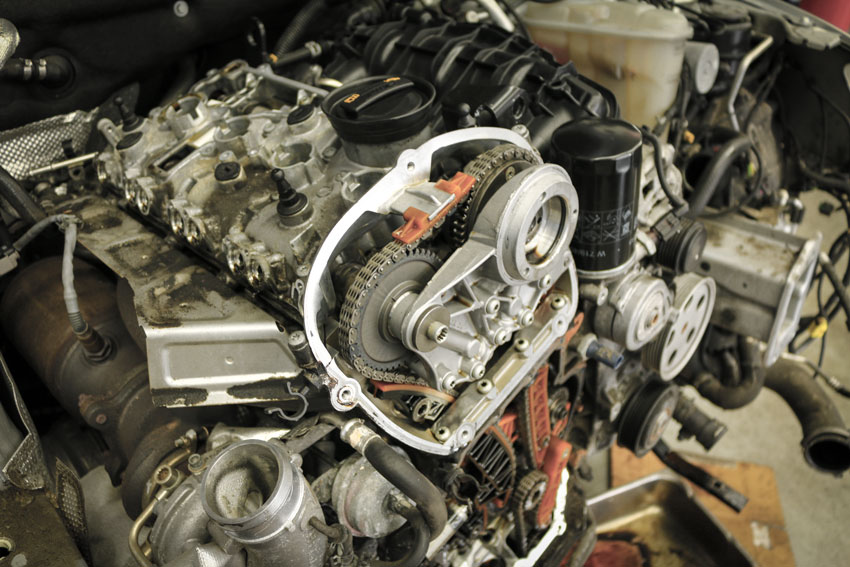
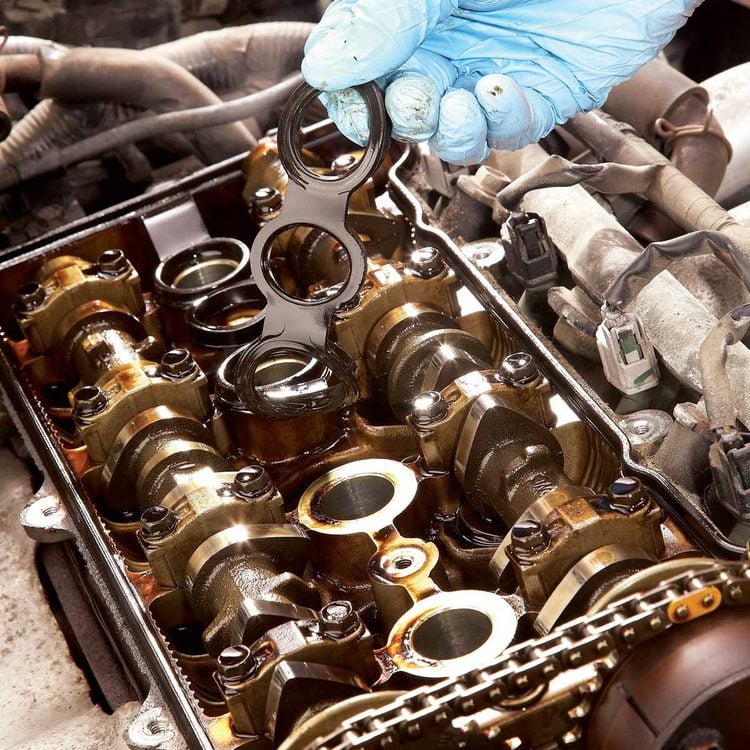
Oil leaks have a way of turning small doubts into driveway anxiety. A leaking valve cover gasket often shows up as a hot-oil smell, damp edges near the top of the engine, smoke after a stop, or oil pooled around spark plug wells. The job is usually not an engine-ending disaster, but it is not a cosmetic nuisance either. Once oil runs onto exhaust parts, ignition coils, belts, or rubber hoses, the repair can grow from one seal to a stack of cleanup and misfire work. For U.S. drivers comparing quotes, plain-language repair guides for car owners can help separate a fair bill from a scare tactic. The smart move is to confirm where the engine oil leak starts, check oil level, then price the seal work with labor access in mind. A four-cylinder commuter may be simple. A V6 crossover packed tight against the firewall can feel like a different sport. The signs below help you judge urgency, talk to a shop with more confidence, and avoid paying for the wrong leak.
Leaking Valve Cover Gasket Symptoms That Point to the Top of the Engine
The top of the engine is where many oil leaks begin, but it is also where heat, dust, and old residue can lie to you. A fresh wet edge near the cover tells a different story than grime that has baked there since the last oil change. The tension comes from how small the source can be compared with how dramatic the smell feels. Good diagnosis starts with location, pattern, and timing, not panic. That matters because a top-side leak can run down the block and frame the lower engine as the suspect. The person who chases the lowest wet spot first may pay for a pan seal, only to find the oil returning from above.
The smell that fools drivers first
A burning oil smell is often the first clue because oil does not need to pour out to make itself known. One drop landing on a hot exhaust manifold can smell stronger than a larger drip falling harmlessly onto a plastic splash shield. That is why a driver may smell oil in a grocery store parking lot, then see no puddle at home. The nose catches the leak before the driveway does.
The odor often gets worse after a highway drive, a long uphill pull, or stop-and-go traffic in July heat. Heat gives the leak its voice. In colder states, the smell can fade during winter trips because oil moves slower and the engine bay sheds heat faster. A driver in Minnesota may notice the smell after ten minutes of idling with the defroster on, while a driver in Arizona may smell it after every errand.
Here is the non-obvious part: a strong smell does not always mean a large engine oil leak. Some small top-end leaks sit above the hottest parts of the engine. They announce themselves early, which can be a gift. The car is warning you before the dipstick drops. That early warning is why odor should not be dismissed as “old car smell,” especially when it appears after fresh oil service.
Oil trails, wet edges, and plug-well clues
Look for oil collecting along the outer edge of the cover, near bolt holes, or in the channel where the cover meets the cylinder head. Fresh oil looks glossy. Old oil turns dusty, sticky, and dark. On many four-cylinder cars, you can see the front edge with a flashlight and no tools. A clean paper towel touched to the seam can show whether the oil is fresh or old residue.
Spark plug wells deserve attention too. Oil around the top of a coil boot can cause a rough idle, a flashing check engine light, or a stumble under load. The seal around each tube may be part of the same repair kit, so a shop should inspect those areas before quoting the work. When oil pools there, the problem is no longer only a mess. It is now close to the ignition system.
A real-world example: a 2015 Honda Civic with oil only on the front corner may need a simple reseal. A 2017 BMW six-cylinder with oil down the rear of the engine may need more labor because access is tighter and other parts may have to come off. The symptom can look similar from the driver seat, but the repair path is not the same. That is the detail many quick online estimates miss.
Why the Leak Starts and Why It Often Looks Worse Than It Is
Rubber and silicone seals live a hard life near the hottest part of the engine. They face heat cycles, crankcase vapors, pressure changes, and years of bolt tension. The friction for owners is that the leak often appears at the worst moment: before a road trip, after an oil change, or right before inspection. The answer is not to ignore it. The answer is to understand what made the seal give up, because that affects whether the repair lasts. A seal that died from age needs one plan. A seal pushed out by crankcase pressure needs a wider look.
Heat cycles turn a small seep into a messy repair
Every drive expands metal. Every cool-down shrinks it. Over thousands of cycles, the soft seal that once filled every tiny gap can flatten and harden. A small seep begins at one corner, then spreads along the cover as oil follows the easiest path downward. Gravity takes over, then road air moves the oil farther than expected.
This is why older Toyota, Ford, Chevrolet, Honda, and Subaru models may leave the same kind of oily outline even when they have been maintained well. Age matters. Mileage matters. So does where the car lives. Phoenix heat and Chicago freeze-thaw swings punish the same seal in different ways. A car that makes many short trips can age the seal faster too, because moisture and vapors spend more time in the crankcase.
The trick is not to confuse spread with source. Oil can run sideways, then down, then backward with airflow. A wet alternator, starter, or lower engine mount may be the victim, not the leak origin. A shop that cleans the area first and rechecks after a short drive is doing more than selling time. It is protecting you from a wrong repair. That small cleaning step can save the cost of replacing a part that never failed.
PCV pressure can make a new seal fail early
A clogged PCV system can push pressure into places that were meant to breathe. When crankcase pressure rises, oil looks for weak exits. The upper cover seal often becomes one of them. Replace the seal but ignore pressure, and the new part may seep again sooner than it should. This is why repeat leaks deserve a pressure and ventilation check, not a shrug.
That is where a cheap part can decide an expensive outcome. On some engines, a PCV valve or built-in separator costs far less than the labor to repeat the seal job. A careful technician will check for excess vacuum, sludge, brittle hoses, or a whistling noise that hints the breathing system is not happy. On many late-model engines, that system is built into plastic parts rather than a small old-style valve, so the inspection takes model knowledge.
This is also where DIY work can go sideways. Over-tightening cover bolts can warp a plastic cover or squeeze the seal unevenly. Under-cleaning the mating surface can leave old material that acts like a tiny ramp for fresh oil. Patience here beats muscle. The best home mechanic in this job is not the strongest one. It is the one who owns a torque wrench and stops to clean corners.
Replacement Cost, Shop Quotes, and the Parts Behind the Price
The number on the estimate is not only the price of a rubber seal. It is the cost of access, cleaning, resealing, waiting for sealant at corners, and confirming the leak after the engine warms up. That is why replacement cost varies so much across the U.S. A fair quote should explain labor time, parts, shop supplies, and any related items that make sense while the cover is off. When two shops are hundreds of dollars apart, the difference may be skill, but it may also be scope. One may be quoting the seal only. The other may be quoting the job that keeps the oil away.
What a fair bill often includes
RepairPal listed a national estimate of $336 to $461 for this repair as of January 28, 2026, with labor making up most of the bill and parts shown as a smaller share. The estimate also notes that taxes, fees, location, and related repairs are not included, which matters in high-labor cities such as San Francisco, Boston, and New York.
That range fits many mainstream cars, but it is not a ceiling. A simple inline-four may sit near the lower end. A transverse V6 can require upper intake removal, extra gaskets, and more time. A shop may also recommend spark plug tube seals, grommets, ignition coil boots, or a PCV part if those are known weak spots. None of that should be vague. The estimate should name the parts.
Ask for the quote in plain pieces. You want to see labor hours, the seal kit, related gaskets, cleaners, and warranty terms. A low price with no cleanup or recheck can cost more than a higher price from a shop that confirms the engine oil leak source before turning bolts. A good invoice reads like a repair story: what was found, what was replaced, what was cleaned, and what was checked afterward.
Why luxury, V-engine, and turbo cars cost more
Engine layout drives the bill. On a rear bank V6, the cover may hide under an intake plenum and wiring brackets. On a turbo engine, heat shields and tight routing can slow the job. On some European cars, the cover itself is plastic and may warp, so replacing the seal alone may not stop the leak. That is why a BMW, Audi, Mercedes-Benz, or Volvo quote can feel far removed from a compact Corolla quote.
That feels unfair when the part in the box looks cheap. Still, repair work is not priced by rubber size. It is priced by what must move out of the way and what can break during removal. Brittle vacuum lines, aged connectors, and stuck bolts are part of the risk on a ten-year-old car. A shop may also charge for intake gaskets because those parts cannot be reused once removed.
The best counterintuitive money move is not always choosing the lowest quote. A slightly higher estimate that includes a cover inspection, PCV check, and post-repair cleaning may save a second visit. Cheap becomes costly when the same burning oil smell returns next week. If you drive a car with tight access, ask whether the shop has done that engine before. Familiar hands matter.
When to Drive, When to Park, and How to Avoid Paying Twice
Most top-cover leaks start as a seep, not a crisis. That does not mean every car is safe to drive. The decision depends on oil level, smoke, location, smell inside the cabin, and whether oil is reaching belts or electrical parts. The owner’s job is not to become a mechanic overnight. It is to spot the line between “schedule repair soon” and “stop driving this.” That line can move fast when oil begins to touch hot exhaust parts or the ignition system.
Safe short trips versus red-flag conditions
A small damp edge with a full dipstick and no smoke usually allows short local driving until you can book the repair. Keep a quart of the correct oil in the trunk, check the level every few days, and avoid long highway runs if the smell gets stronger. That is a temporary plan, not a lifestyle. Oil leaks do not heal with time.
Park the car if smoke rises from the engine bay, oil drips onto the exhaust, the oil light comes on, the dipstick drops fast, or the engine misfires. Oil on a belt can cause slipping. Oil in spark plug wells can damage coil boots. Oil smoke pulled through the cabin vents can make a normal commute feel unsafe. A tow bill can be cheaper than melted wiring or a damaged belt system.
One overlooked step is checking for open recalls before paying out of pocket. The official NHTSA recall database lets U.S. drivers search by VIN, plate, or vehicle information, and NHTSA says open recall repairs are handled through the automaker’s dealer process. Recalls may not cover your oil leak, but checking costs nothing and can reveal nearby safety work that should be handled at the dealer.
Simple checks before and after the repair
Before the appointment, take two photos: one close shot of the wet area and one wider shot of the engine bay. This gives you a baseline if the shop later says there is another leak. Also note when the burning oil smell appears, such as after idling, after highway driving, or only with the heater on. Details like that help a technician test the car under the right condition.
After the repair, the engine should be cleaned well enough to verify the work. You may still smell residue for a few short drives if oil had already baked onto hot parts. That does not always mean failure. Fresh wet oil at the same seam does. Ask the shop what smell or smoke is expected after cleanup, and what should bring you back under warranty.
Good ownership is boring in the best way. Check the dipstick, look for new wetness, and keep the invoice. If you are building a maintenance folder, pair this repair with a simple engine oil leak checklist and a used car inspection routine. Records make future diagnosis faster, and they make resale conversations less awkward. They also help the next technician see patterns instead of starting from zero.
Conclusion
Oil leaks at the top of the engine rarely reward denial. They reward calm inspection, smart questions, and repair timing that matches the risk. A burning oil smell, damp upper seam, smoke after a drive, or oil in plug wells should push you to confirm the source before damage spreads. A leaking valve cover gasket deserves attention because the cheap-looking seal can affect coils, belts, hoses, and your confidence on every trip. The best repair is not the one with the lowest line item. It is the one that explains why the leak started, checks pressure and related seals, cleans the area, and proves the fix after warm-up. Treat the quote as a conversation, not a verdict. Ask what is included, what can wait, and what would make the job fail early. Then get it fixed before the smell becomes the story of your car.
Frequently Asked Questions
How much does it cost to fix an oil leak near the top of the engine?
Most mainstream U.S. cars fall in the few-hundred-dollar range, but access changes the bill. Inline engines often cost less than V6, turbo, or luxury layouts. Ask whether the quote includes cleaning, plug tube seals, grommets, and a recheck after the engine warms.
Is it safe to drive with a small engine oil leak?
Short local trips may be fine if the dipstick stays full, there is no smoke, and oil is not reaching exhaust, belts, or wiring. Park the car if the oil light appears, smoke rises, the smell enters the cabin, or the engine starts misfiring.
What does a burning oil smell after driving usually mean?
It often means oil is landing on a hot surface, such as the exhaust manifold or nearby heat shield. The leak may be small, but heat can make the odor strong. Check the upper engine area first, then confirm with a clean-and-recheck inspection.
Can oil in spark plug wells cause a misfire?
Yes. Oil can soften coil boots, interfere with spark, and trigger a rough idle or check engine light. Tube seals are often repaired during the same top-cover service. Ignoring the oil can turn a seal job into ignition repair.
Why did the oil leak come back after the seal was replaced?
The mating surface may not have been cleaned well, the cover may be warped, bolts may have been tightened unevenly, or crankcase pressure may be too high. A PCV problem is worth checking when a fresh seal starts seeping again.
Should I replace spark plugs during this repair?
It depends on age, mileage, and whether oil reached the plug wells. If the plugs are due soon, replacing them while access is open can save labor later. If they are new and dry, replacement may add cost without much benefit.
Can I fix this leak myself at home?
Many simple four-cylinder engines are DIY-friendly for patient owners with basic tools and a torque spec. Tight V6, turbo, and luxury engines are less forgiving. The hardest parts are cleaning the surface, tightening evenly, and avoiding broken plastic connectors.
What should I ask the mechanic before approving the job?
Ask how they confirmed the source, whether the cover is warped, which seals are included, and whether the PCV system was checked. Also ask if the engine will be cleaned after repair. Clear answers protect you from paying twice.