A premium car can lose respect faster than it loses speed. The difference often comes down to how it has been treated when nobody was watching. Smart vehicle care protects more than paint, leather, and service records; it protects trust, and trust is what buyers pay for when they look beyond the badge. A clean history, consistent maintenance, careful storage, and thoughtful driving habits all send the same message: this car has not been neglected. For owners who care about reputation, resale, or long-term ownership pride, even small details matter. The way you document work, choose specialists, and respond to early warning signs can shape premium car value years later. That same disciplined mindset also applies to how owners build visibility and credibility in other spaces, where a trusted digital publishing network can help serious brands communicate with the right audience. Cars, like reputations, do not stay strong by accident. They stay strong because someone makes the right decisions before damage becomes obvious.
Preserving Premium Car Value Starts Before Problems Appear
Premium ownership punishes delay. A small rattle, a weak battery, a faded trim piece, or a missed service may seem harmless at first, but high-end cars remember neglect in ways ordinary cars often hide. Better ownership begins before the warning light, before the buyer inspection, and before the repair invoice turns ugly.
Why preventive maintenance protects long-term resale
Preventive maintenance feels boring until it saves you from the kind of repair that makes future buyers pause. A luxury sedan with regular fluid changes, clean filters, fresh tires, and documented inspections tells a stronger story than one with a few dramatic repairs done late. Buyers do not only want to know that the car runs. They want to know it has been respected.
A real-world example is simple: two identical premium SUVs hit the used market with similar mileage. One has yearly service records from a specialist, matching tires, brake work done on time, and no gaps in history. The other looks clean in photos but has vague maintenance claims and three missing years of records. The first one earns confidence before the test drive begins.
Counterintuitively, the cheapest repair is not always the smartest repair. A discount oil service, low-grade brake pad, or rushed diagnostic may save money in the moment, yet it can weaken buyer confidence later. Premium car value often depends on proof that the owner chose the right fix, not merely the fastest one.
How service records build buyer confidence
Service records act like a biography for the car. They show whether ownership was steady, careless, reactive, or thoughtful. A stamped book, digital invoices, parts receipts, inspection notes, and dated photos create a trail that a serious buyer can trust.
This matters because premium buyers tend to look for patterns. One missed service might not scare them, but repeated gaps create doubt. Doubt lowers offers. Doubt also invites aggressive inspections, negotiation, and suspicion over every noise the car makes during a viewing.
A strong record file does not need to be fancy. Keep invoices in order, note mileage clearly, store tire and battery dates, and save inspection reports even when nothing major was repaired. The absence of a problem is still useful information when someone is deciding whether your car deserves a premium price.
Exterior and Interior Condition Tell the Ownership Story
Once the maintenance history builds trust, the condition of the car confirms it. Paint, wheels, trim, glass, leather, carpets, and switches reveal habits that records cannot fully show. A car can have a perfect service book and still feel tired if the owner treated the cabin like a storage room and the paint like an afterthought.
Paint protection is more than cosmetic pride
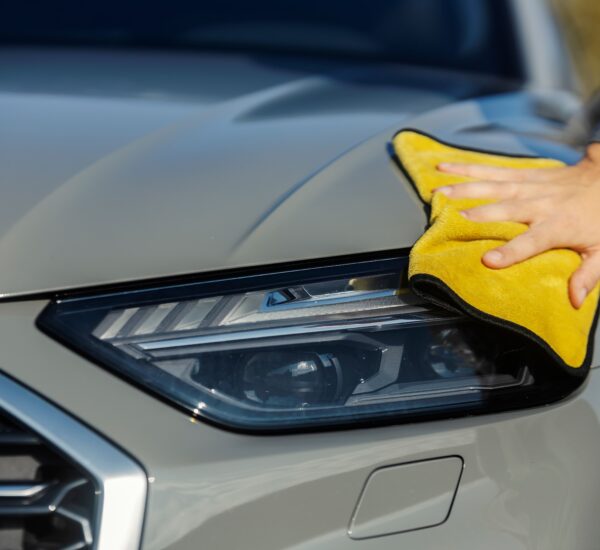
Paint is the first handshake. Scratched panels, dull clear coat, stained trim, and chipped bumpers make a premium car feel older than its mileage. Regular washing with safe methods, paint decontamination, quality wax or ceramic protection, and quick treatment of bird droppings or tree sap all help preserve the car’s visual authority.
One owner may park under trees every day, let grime bake into the finish, and run the car through harsh automatic washes. Another may use proper wash mitts, dry the car carefully, and correct small marks before they spread. After five years, the difference is not subtle. It is visible from across the lot.
The unexpected truth is that over-cleaning can also hurt a car. Aggressive polishing, harsh chemicals, and careless detailing can thin clear coat or stain trim. Preservation is not about constant attack. It is about gentle, regular care that protects original surfaces instead of wearing them down in the name of shine.
Cabin condition shapes emotional value
The interior is where a buyer decides whether the car still feels special. Worn bolsters, sticky buttons, cracked leather, faded wood, dirty seat belts, and tired carpets create a feeling that no engine note can fully erase. A premium cabin should feel cared for before anyone turns the key.
Leather needs cleaning and conditioning at sensible intervals, not when cracks have already formed. Carpets need protection from salt, mud, and spills. Touchscreens, knobs, and soft-touch panels need careful handling because replacement costs can be painful and parts may become harder to source as the car ages.
A grounded example sits in the driver’s seat. A low-mileage coupe with a shiny steering wheel, collapsed seat edge, and scratched console can feel more abused than a higher-mileage car with a clean cabin and careful wear. Buyers read interiors emotionally. They may not say it out loud, but they feel the difference immediately.
Mechanical Sympathy Keeps Luxury Cars Feeling Expensive
Good condition gets attention, but driving feel closes the argument. Premium cars are designed to feel composed, quiet, stable, and precise. When suspension parts age, fluids degrade, tires mismatch, or owners drive cold engines hard, that expensive feeling begins to leak away one small compromise at a time.
Driving habits affect hidden wear
Mechanical sympathy means understanding that a car has needs before it has complaints. Letting the engine warm gently, avoiding harsh throttle when fluids are cold, slowing down over broken roads, and braking smoothly all reduce stress on expensive parts. None of this requires obsession. It requires awareness.
Think about a high-performance sedan used for short, aggressive city trips. The engine rarely reaches full temperature, the brakes heat and cool sharply, the transmission works hard in traffic, and the suspension takes repeated hits from rough streets. Mileage may stay low, but wear does not always follow the odometer.
The less obvious point is that babying a car can also create problems. Cars need proper operating temperature, movement, charging cycles, and occasional full-range use within reason. A premium car parked for months without preparation can develop battery, tire, seal, and fuel issues that a regularly driven car avoids.
Tire, brake, and suspension choices protect ride quality
Tires carry the personality of the car. Cheap tires can make a refined vehicle noisy, nervous, and less controlled. Mismatched tires can upset handling balance, traction systems, and braking feel. On a premium car, poor tire choices do not merely reduce grip; they cheapen the whole experience.
Brake parts tell a similar story. Low-quality pads may squeal, dust heavily, or bite poorly. Worn rotors can create vibration that feels like deeper mechanical trouble. Suspension bushings, dampers, alignment, and wheel condition shape how the car sits on the road, and serious buyers notice when that feeling is off.
A clear example appears during a pre-purchase inspection. A car with fresh high-quality tires, even brake wear, clean alignment readings, and tight suspension feels settled. Another car with budget tires, uneven tread, vibration, and tired dampers may still look attractive, but it no longer drives like the machine its badge promises.
Smart Ownership Decisions Create Stronger Future Demand
Condition alone does not protect a car’s appeal. Ownership decisions also shape how desirable the vehicle becomes later. Modifications, storage, insurance history, parts choices, and selling preparation all influence whether a buyer sees the car as a safe purchase or a gamble dressed in polished paint.
Originality often beats personal taste
Modification can make a car more exciting to one owner and less appealing to the next ten buyers. Loud exhausts, lowered suspension, aftermarket wheels, tinted lights, remapped engines, and non-factory interior changes may reflect personal taste, but the used premium market often rewards clean originality.
This does not mean every upgrade damages value. Factory-approved accessories, reversible changes, protective film, tasteful wheel choices, and documented specialist work can support appeal. The problem starts when the car looks like someone used it as a personality project instead of preserving a valuable asset.
One unexpected truth frustrates many owners: money spent does not equal money returned. A costly custom audio system, aggressive body kit, or performance tune may have real expense behind it, yet buyers may treat it as a risk. In premium ownership, restraint can be the most profitable modification.
Storage and seasonal habits protect future appeal
Storage separates careful owners from casual ones. A car left under harsh sun, near salty air, under trees, or on damp ground ages faster than one kept clean, dry, charged, and protected. Covers, battery maintainers, tire care, ventilation, and fuel planning all matter when the car sits for long periods.
Seasonal driving brings its own risks. Winter salt attacks metal, summer heat dries rubber, heavy rain exposes seals, and dusty environments work into trim and filters. A premium vehicle does not need to hide from life, but it does need an owner who adjusts care to the conditions around it.
Selling preparation should begin long before the listing goes live. Fix small faults, gather records, clean the car properly, photograph it honestly, and write a listing that respects the buyer’s intelligence. A well-prepared premium car does not beg for attention. It stands there with proof.
Conclusion
The strongest premium cars are not the ones that were merely expensive when new. They are the ones that still feel intentional years later. Ownership leaves fingerprints everywhere: in the service file, the paint, the cabin, the tires, the way the suspension settles after a bump, and the quiet confidence a buyer feels during inspection. Better vehicle care is not about pampering a machine for vanity. It is about protecting the story that surrounds it, because that story becomes part of the price. Anyone can wash a car before selling it, but nobody can fake years of thoughtful habits under close inspection. Start with one practical step today: organize your records, inspect the car honestly, and fix the small issue you have been ignoring. Value is protected in quiet moments long before anyone makes an offer.
Frequently Asked Questions
How does better car maintenance protect resale value?
Consistent maintenance proves the car has been looked after, not rescued after neglect. Buyers trust clear records, timely repairs, and quality parts because they reduce risk. A well-documented car usually attracts stronger offers and fewer doubts during inspection.
What vehicle care habits matter most for luxury cars?
Regular servicing, careful washing, interior protection, proper tire choices, safe storage, and quick attention to small faults matter most. Luxury cars often have expensive parts, so early care prevents minor wear from becoming a costly ownership problem.
Why do service records increase premium car buyer confidence?
Service records remove guesswork. They show when work was done, who performed it, what parts were used, and whether the owner followed a steady care pattern. Serious buyers value proof because it protects them from hidden repair surprises.
Can poor detailing reduce a premium vehicle’s value?
Poor detailing can damage paint, stain trim, dry leather, and leave swirl marks that reduce visual appeal. Careless cleaning often costs more to correct than owners expect. Gentle methods and skilled detailers protect the car better than aggressive shine chasing.
How often should a premium car be inspected?
A premium car should be inspected at least once a year, even when it feels fine. Extra checks make sense before long trips, after harsh weather seasons, or before warranty expiration. Early inspections catch wear before it becomes expensive damage.
Do modifications hurt luxury car resale value?
Many modifications narrow the buyer pool because they add uncertainty. Reversible, tasteful, well-documented upgrades may be acceptable, but extreme changes often reduce trust. Original cars usually appeal to more premium buyers because they feel safer and easier to verify.
What is the best way to store a high-end car?
Store it clean, dry, covered, and connected to a quality battery maintainer. Keep tires properly inflated, avoid damp spaces, and protect the cabin from heat and sunlight. Long-term storage should include fuel, fluid, and tire planning.
Why does interior condition affect premium car value so much?
The interior shapes how expensive the car feels. Worn leather, dirty carpets, scratched controls, and tired trim make buyers question the whole ownership history. A clean, well-preserved cabin supports confidence before the mechanical inspection even begins.