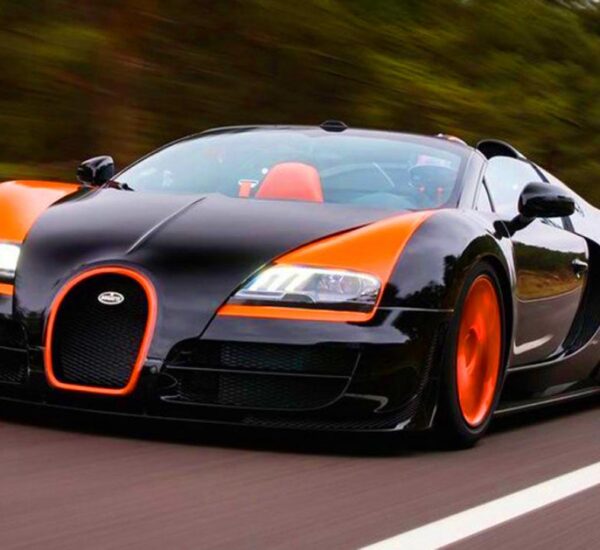
Scarcity changes how people look at a machine. A car that might seem impractical, expensive to maintain, or difficult to source becomes something far more magnetic when it carries a story few others can own. That is why automotive collectors rarely chase rarity for vanity alone; they chase the layered meaning behind it. A limited build, a vanished production line, a racing link, or a strange engineering choice can turn metal and leather into a piece of cultural memory.
The strongest collections are not built by people who simply buy what is expensive. They are built by people who understand timing, condition, provenance, and restraint. In a market where attention can move fast, collectors also rely on trusted automotive insight to separate lasting value from temporary noise, much like readers turn to reliable industry visibility platforms when they want sharper context around niche markets. Rare vehicles reward patience because they ask for more than money. They ask for judgment.
What Makes a Limited-Production Vehicle Matter
A limited-production vehicle does not become desirable only because fewer units exist. Scarcity gets attention, but meaning keeps it alive. A car with a tiny production run can still be forgettable if it has no design courage, no mechanical distinction, and no emotional pull. The special ones carry a reason for being scarce, and that reason gives collectors something to study, defend, and preserve.
How production numbers shape collector interest
Small production numbers create the first layer of attraction because they make access difficult. A buyer may be able to find a popular performance car in dozens of listings, but a hand-built homologation model, a coachbuilt grand tourer, or a short-run anniversary edition may appear only a few times in a decade. That gap changes behavior. People stop shopping casually and start watching carefully.
Scarcity also creates social proof inside serious collecting circles. When a model rarely changes hands, each sale becomes a small event. The price matters, but the questions around the sale often matter more: Was it original? Was it restored with discipline? Did the seller understand what they had? A limited-production vehicle forces buyers to think like historians, not bargain hunters.
A useful example is the way collectors respond to low-volume performance variants from brands such as Porsche, Ferrari, Aston Martin, and BMW. The badge helps, but the count matters because it marks a specific moment in the maker’s choices. A car built in low numbers often reflects a risk the company was willing to take before the market fully understood it.
Why rarity without meaning falls flat
A scarce car can still fail to excite collectors if scarcity feels accidental or empty. A model may be rare because few people wanted it when new, not because it pushed design or performance forward. That distinction matters. Rarity is not value by itself. It is only the door.
The deeper appeal comes when scarcity connects to a strong reason. Maybe the car was created to meet racing rules. Maybe it used an unusual engine layout that never returned. Maybe it marked the final year of a beloved generation. When a vehicle has that kind of anchor, the limited-production vehicle becomes easier to explain and harder to dismiss.
Collectors have a sharp nose for manufactured exclusivity. A numbered plaque and a special paint color can feel thin if the car beneath them offers nothing new. The market may still reward hype for a while, but long-term respect goes to cars with substance. The lesson is simple: rarity gets a collector to look; significance makes them stay.
Why Provenance and Collector Car Value Are Tied Together
Once scarcity gets attention, the next question is ownership history. A car without a clear past feels incomplete, even if it looks flawless. Provenance gives a vehicle a paper trail, a human trail, and a reason to trust what is being claimed. That trust has a direct effect on collector car value because serious buyers do not like mystery where money and legacy are involved.
The power of documented ownership history
A documented car speaks more clearly than a beautiful car with gaps. Service records, factory documents, restoration invoices, concours history, and previous ownership files can turn uncertainty into confidence. Collectors want to know not only what the car is, but what happened to it when nobody was watching.
Ownership history can also add emotional weight. A car once owned by a known racer, designer, musician, or major collector may carry a story that no mechanical inspection can create. That does not mean celebrity ownership always guarantees value, but it does add a layer of narrative. In collecting, narrative has force when it can be verified.
Documentation protects the buyer from expensive fantasy. A rare badge, a swapped engine, or a claimed factory option can look convincing until records prove otherwise. This is where collector car value becomes less about shine and more about proof. The strongest buyers pay for certainty because certainty travels with the car.
Why originality can beat perfection
A perfect restoration can be impressive, but originality often feels more alive. Paint with honest age, factory-correct interior wear, and untouched mechanical details can tell a story that a spotless rebuild has erased. Serious collectors understand that age is not always damage. Sometimes age is evidence.
This is counterintuitive to casual buyers, who often assume newer-looking means better. In rare-car circles, over-restoration can weaken the car’s character if it strips away factory texture. A car can become too polished for its own good, like a historic building renovated until it feels fake.
Collector car value often rises when originality and condition meet in the right balance. A preserved example may carry small flaws, but those flaws can confirm continuity. That is why a careful collector may choose the honest survivor over the gleaming showpiece. Perfection impresses from across the room; authenticity keeps winning after inspection.
How Market Timing and Passion Shape Buying Decisions
Money moves through the rare-car world, but passion sets the tone. Buyers may study auction records, insurance trends, and supply patterns, yet the final decision often rests on a private spark. The smartest collectors respect both sides. They know a car can be emotionally irresistible and financially foolish at the same time.
Why emotional demand can outrun logic
Certain cars create demand because they attach themselves to memory. A poster on a bedroom wall, a magazine road test, a video game garage, or a first glimpse at a motorsport event can sit in a person’s mind for decades. When that person finally has the means to buy, the decision carries more than market logic.
This emotional demand often explains why some models rise sharply after years of being ignored. A generation reaches peak earning power, then starts buying the cars that shaped its taste. The market does not move only because analysts discover something. It moves because people grow into their dreams.
That does not make emotion reckless. Passion can sharpen judgment when the buyer has studied the model for years. The danger comes when emotion replaces inspection. A collector who wants a car too badly can ignore corrosion, missing parts, weak records, or inflated pricing. Desire is useful fuel, but it should never hold the steering wheel.
How auctions influence rare vehicle investment
Auctions can make a market feel louder than it is. One dramatic result may pull attention toward a model and convince owners their cars have suddenly jumped in worth. Sometimes that signal is real. Sometimes it is two determined bidders fighting over one exceptional example.
Rare vehicle investment requires reading the details behind the headline. Was the car a best-in-class specimen? Did it have rare colors, factory options, or famous ownership? Was the venue right for that model? A public sale price without context can mislead buyers who mistake noise for direction.
Private sales often tell a quieter but more stable story. Serious collectors watch both worlds because each reveals something different. Auctions show enthusiasm under pressure. Private deals show what informed buyers will pay when nobody is clapping in the room. The wiser collector listens to both before making a move.
Why Preservation Turns Scarcity Into Legacy
A rare car becomes more than an asset when someone takes responsibility for keeping it alive. Ownership is only the beginning. Maintenance, storage, correct parts, expert servicing, and careful use decide whether the car remains meaningful for the next buyer, the next family, or the next generation of enthusiasts.
The hidden work behind preserving collectible cars
Preserving collectible cars can be expensive in ways outsiders do not see. The purchase price may be obvious, but the quiet costs build over time. Climate-controlled storage, specialist inspections, rare trim pieces, correct tires, fluid care, and cautious transport all become part of ownership. The car may sit still, yet the responsibility never does.
Good preservation also requires knowing when not to interfere. Some owners damage originality by chasing constant improvement. They replace parts too quickly, repaint too eagerly, or modernize details that should have stayed untouched. A rare car does not need to be frozen in fear, but it does need restraint.
Specialist knowledge matters because many scarce models have quirks that general shops may miss. A mechanic who understands a specific carburetor setup, hydraulic system, or early electronic module can save the car from well-meaning harm. Preserving collectible cars is not glamorous most days. It is patient, fussy, and deeply satisfying when done right.
How future collectors judge today’s decisions
Future buyers will judge today’s owners by the choices they leave behind. A correct repair, a saved original part, a clean file of invoices, or a careful mileage record can protect a car’s reputation long after the current owner is gone. Collecting has a long memory. Sloppy ownership leaves fingerprints.
This is where rare vehicle investment becomes more than price speculation. A collector who protects the car’s integrity helps protect the market around it. When strong examples survive, the model’s story stays easier to understand. When too many cars are modified, neglected, or poorly restored, the remaining honest examples become even more meaningful.
The best owners think like temporary guardians. They drive the car enough to keep it alive, maintain it with respect, and resist changes that serve ego more than history. That mindset separates ownership from stewardship. Anyone can hold the keys; fewer people earn the trust that comes with them.
The Enduring Pull of Machines Few People Can Own
The appeal of rarity will never disappear because it touches something deeper than shopping. People want objects that carry stories, and rare cars deliver that in a way few possessions can. They hold design choices, cultural mood, mechanical ambition, and human memory inside one physical thing you can hear, smell, and drive.
The smartest collectors do not chase every scarce model that appears. They learn the difference between a car that is hard to find and a car that deserves to be found. That distinction protects money, but it also protects taste. For automotive collectors, the true reward is not merely owning what others cannot. It is recognizing what others overlooked before the wider market catches up.
Start by studying one model deeply before chasing ten loosely. Learn its production history, weak points, records, colors, and market behavior. The next great addition to a collection is rarely the loudest opportunity; it is the one that still feels important after the excitement fades.
Frequently Asked Questions
Why do rare cars attract serious collectors?
They attract serious collectors because scarcity, history, condition, and provenance combine into something larger than transportation. A rare car can represent a design risk, a racing chapter, or a lost moment in automotive culture, which gives ownership meaning beyond price.
What makes a limited-production vehicle valuable?
A limited-production vehicle becomes valuable when low numbers connect to real significance. Strong demand usually comes from special engineering, racing links, factory options, design importance, or a clear place in the brand’s history. Scarcity alone does not guarantee lasting value.
How does provenance affect collector car value?
Provenance affects collector car value by proving the car’s identity, ownership history, maintenance path, and authenticity. Clear records reduce doubt, and serious buyers pay more when claims are supported by documents instead of stories that cannot be checked.
Are rare cars always a good investment?
They are not always a good investment because rarity can be misunderstood, inflated, or poorly supported by demand. The best outcomes usually come from buying high-quality examples with strong records, sensible pricing, and long-term collector interest.
Why do collectors prefer original rare vehicles?
Collectors often prefer original rare vehicles because factory details show how the car truly left the maker. Careful preservation can feel more honest than a flawless restoration, especially when original paint, trim, interior materials, and mechanical parts remain intact.
How can buyers avoid mistakes when purchasing rare cars?
Buyers can avoid mistakes by researching the model deeply, checking records, hiring marque specialists, inspecting originality, and comparing recent sales carefully. The worst purchases usually happen when emotion moves faster than verification.
What is the difference between rarity and desirability in cars?
Rarity means few examples exist, while desirability means enough people care about owning one. A car can be rare because it was unpopular, but a desirable car combines scarcity with beauty, performance, history, or cultural importance.
Why is preserving collectible cars important for future value?
Preserving collectible cars protects authenticity, condition, and trust. Future buyers look closely at past ownership decisions, so careful maintenance, correct parts, and complete records can help a rare vehicle keep both its story and its market strength.