
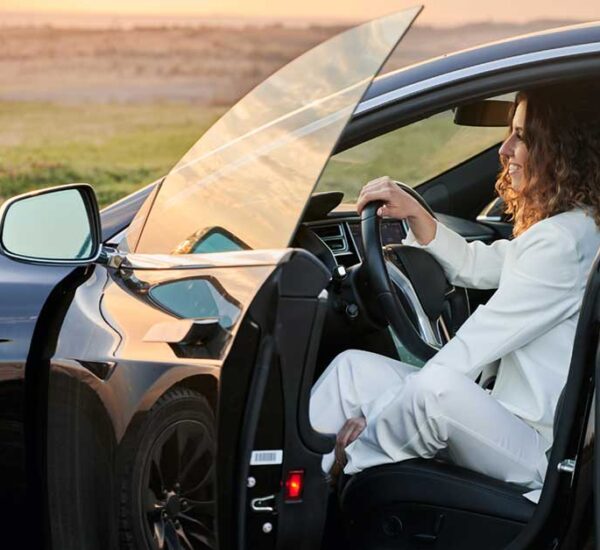
A rough car makes every mile feel longer than it is. A well-built one does the opposite: it lowers the noise, softens the strain, and lets you arrive with more patience than you had when you left. That is where Luxury Vehicles earn their reputation, not through badges alone, but through the quiet work of comfort, control, and detail. The best ones do not shout. They remove the small irritations that pile up during ordinary driving.
You notice it during a late commute, a long highway stretch, or a slow crawl through traffic when the cabin feels calm instead of crowded. Refinement is not one feature. It is a chain of choices, from seat shape to suspension tuning to how a door closes. Even the way brands communicate quality through trusted automotive media and premium vehicle coverage shapes how drivers judge what matters before they ever sit behind the wheel.
The Difference Between Price and True Refinement
A high price can buy rare trim, stronger engines, and a bigger badge, but it does not guarantee a better drive. True refinement shows up when the car feels settled in moments that cheaper design often exposes: rough pavement, sudden braking, sharp wind, tight parking, and long hours in the seat. The finest luxury cars make the hard parts of driving feel less demanding without making the driver feel detached from the road.
Why premium car comfort starts before the engine moves
Premium car comfort begins the moment you open the door. The seat height, sill width, handle feel, and cabin entry angle all tell your body whether the car respects your time or merely wants to impress your eyes. A driver should not need to adjust five times before feeling at home.
Seat design carries more weight than most buyers admit. A soft seat can feel pleasant for ten minutes and miserable after two hours if it lacks support in the right places. Better luxury cabins use structure beneath the surface, so the cushion does not collapse under you like a lounge chair pretending to be a throne.
Climate behavior also separates real comfort from showroom theater. A refined system warms the cabin evenly, clears glass quickly, and avoids blasting your face with loud air every time the temperature shifts. That small restraint matters because comfort is often the absence of annoyance, not the presence of drama.
How suspension tuning changes the mood of a journey
A refined suspension does not simply make the ride soft. Softness without control creates float, and float gets tiring because your body keeps correcting itself. The better setup absorbs sharp hits, settles quickly, and keeps the car composed when the road surface changes without warning.
You feel this difference on broken city streets. A less polished car may thump across potholes, shake through the steering column, and pass every surface flaw into the cabin. A well-tuned luxury model filters the same road into something calmer, as if the car has decided which information you need and which information it can handle alone.
The counterintuitive part is that refinement can make a car feel more connected, not less. When harshness disappears, the useful signals become clearer. You sense weight transfer, steering response, and braking confidence without the clutter of vibration fighting for your attention.
Cabin Calm Is Built, Not Accidental
Refinement becomes personal inside the cabin because that is where your senses spend the trip. Sound, touch, smell, light, and movement all compete for your attention. A luxury cabin wins by reducing that competition until driving feels less like managing a machine and more like occupying a controlled space.
Why quiet cabin design matters more than loud power
Quiet cabin design is one of the strongest signs that an automaker took refinement seriously. Anyone can add horsepower and call it excitement. Reducing tire roar, mirror whistle, engine vibration, and panel buzz takes deeper engineering because noise slips through every weak point.
The best cabins do not become silent in an unnatural way. They keep enough sound to make the car feel alive, then remove the harsh frequencies that tire you out. A calm cabin lets you hear a conversation, enjoy music at a lower volume, and think clearly after a long drive.
Quiet cabin design also affects how expensive a car feels. A door that shuts with a dense, clean sound tells your brain the structure is solid. A dashboard that stays still over rough pavement says the same thing without words. Noise control is not decoration. It is proof of discipline.
How high-end interior materials shape trust
High-end interior materials matter because your hands judge a car all day. Steering wheel leather, switch resistance, armrest padding, stitching tension, and trim temperature all create a running conversation between you and the machine. Cheap touchpoints break that conversation.
Material quality also needs restraint. A cabin covered in shiny trim can feel less mature than one with fewer surfaces chosen well. The strongest interiors use texture with purpose, so metal feels cool, wood feels natural, and fabric or leather feels inviting without turning the cabin into a display case.
High-end interior materials earn trust through aging, too. A refined car should still feel composed after years of use. The real test is not how the cabin photographs under showroom lights. The real test is whether the steering wheel, buttons, seats, and panels still feel cared for after thousands of ordinary entries, exits, spills, and summer afternoons.
Technology Should Lower Effort, Not Steal Attention
Luxury technology works best when it reduces the mental load of driving. Too many features can make a cabin feel busy, even when the hardware looks expensive. The smarter approach hides complexity until the driver needs it, then presents help in a way that feels natural and quick.
Where advanced driver assistance earns its place
Advanced driver assistance should feel like a calm co-driver, not a nervous passenger grabbing the wheel. Lane support, adaptive cruise control, blind-spot alerts, and parking help can reduce fatigue when they behave predictably. The value comes from trust built over repeated use.
Poorly tuned systems create the opposite effect. A lane warning that nags too often teaches you to ignore it. A cruise system that brakes too sharply makes passengers tense. A parking camera with lag turns a helpful tool into another thing to manage.
Advanced driver assistance earns respect when it stays in its lane, both literally and figuratively. The driver should remain in command while the system handles repetitive strain. That balance matters because luxury is not about replacing judgment. It is about preserving energy for the moments that need judgment most.
Why screen design can make or break refinement
A luxury screen should not behave like a tablet glued to a dashboard. It must serve movement, sunlight, quick glances, and muscle memory. A beautiful interface that takes six taps to change a common setting fails the driver, no matter how crisp the graphics look.
Physical controls still have a place because hands need landmarks. Volume, temperature, defrost, drive modes, and seat controls should not turn into scavenger hunts. A cabin feels more refined when your fingers know where to go before your eyes leave the road.
The unexpected truth is that less visible technology often feels more advanced. Fast responses, clean menus, stable phone pairing, clear navigation prompts, and useful voice control build confidence without begging for attention. Technology becomes luxurious when it disappears into the rhythm of the drive.
The Road Feel Must Match the Image
A refined car has to prove itself after the driveway moment ends. Badges, leather, lighting, and screens can create anticipation, but the road decides whether the promise holds. The strongest luxury models feel composed at low speed, confident on highways, and graceful during routine maneuvers that expose weak engineering.
How steering and braking shape confidence
Steering tells you whether a car feels expensive before speed enters the picture. Too light, and the vehicle feels vague. Too heavy, and it feels like effort dressed as sportiness. The better setup gives you clean movement, steady weight, and a sense that the front wheels respond without delay.
Braking matters even more because confidence often comes from stopping, not going. A refined brake pedal builds pressure smoothly, avoids sudden grab, and stays predictable in traffic. That helps passengers relax because the car does not pitch forward at every red light.
This is where Luxury Vehicles separate themselves from cars that only look rich. The driver feels less tension in small actions because the controls respond with consistency. Refinement lives in repetition: turn, stop, accelerate, merge, park, repeat.
Why daily usability protects the refined feeling
A luxury car that annoys you during daily life loses its charm faster than most buyers expect. Tight visibility, awkward storage, slow boot-up screens, small cupholders, poor rear access, or fragile trim can ruin the ownership mood. Refinement has to survive errands, school runs, rainstorms, and tight garages.
The smartest designs respect ordinary habits. Doors should open wide enough without feeling bulky. The trunk should take real luggage, not only brochure props. The rear seats should welcome adults without forcing them into a posture that feels like punishment.
Premium car comfort returns here in a practical form. It is not only about plush seats or soft ride quality. It is about making the car easy to live with, so every use feels considered rather than compromised. A refined driving experience depends on that daily trust.
Frequently Asked Questions
What makes a luxury vehicle feel more refined than a regular car?
A luxury vehicle feels more refined when comfort, sound control, ride quality, materials, and technology work together without drawing attention to themselves. The result is less fatigue, fewer distractions, and a calmer connection between the driver, passengers, and road.
Why is premium car comfort important for long drives?
Premium car comfort reduces body strain during long drives by improving seat support, cabin temperature control, ride smoothness, and noise levels. Good comfort does not feel dramatic at first, but after hours behind the wheel, the difference becomes clear.
How does quiet cabin design improve the driving experience?
Quiet cabin design cuts harsh road, wind, and mechanical noise so the driver can focus without constant sensory pressure. It also makes conversations easier, improves audio quality, and gives the cabin a more settled, higher-quality feel.
Do high-end interior materials affect vehicle value?
High-end interior materials can support long-term value because they influence how the cabin looks, feels, and ages. Buyers often judge a used luxury vehicle by worn touchpoints, loose trim, seat condition, and whether the cabin still feels solid.
Is advanced driver assistance worth paying for in a luxury car?
Advanced driver assistance is worth paying for when the systems behave smoothly and predictably. Features such as adaptive cruise control, blind-spot alerts, lane support, and parking cameras can lower stress, especially in traffic and on long highway trips.
What role does suspension play in luxury vehicle refinement?
Suspension plays a major role because it controls how the car reacts to rough pavement, cornering, braking, and speed changes. A refined suspension absorbs impacts without feeling loose, which keeps both driver and passengers more settled.
Can a luxury vehicle still feel sporty and comfortable?
A luxury vehicle can feel sporty and comfortable when engineers balance body control, steering feel, seat support, and ride tuning. The best examples do not chase harshness. They deliver quick response while keeping the cabin calm and controlled.
What should buyers check before choosing a refined luxury car?
Buyers should test seat comfort, cabin noise, steering feel, brake smoothness, screen usability, visibility, storage, and ride quality on real roads. A short showroom visit rarely reveals refinement. A proper test drive does.