
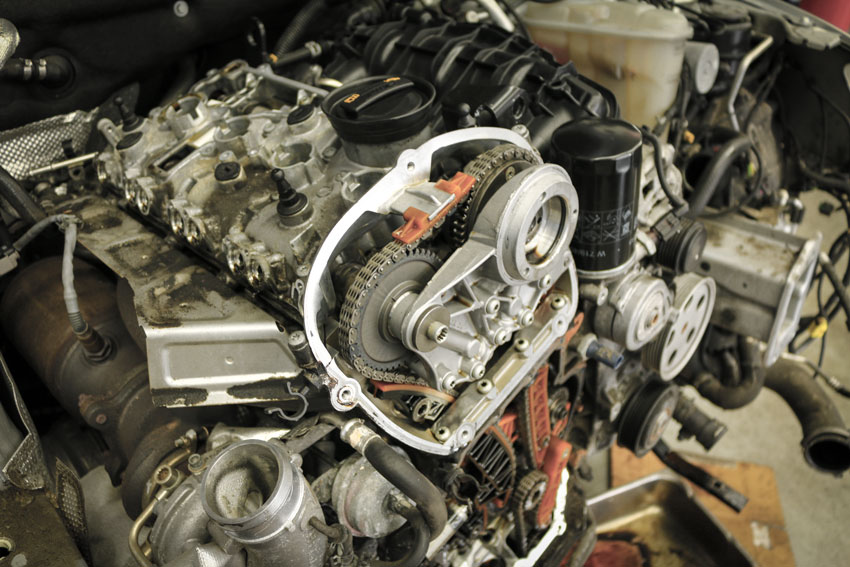
A healthy A4 should not greet you with metal chatter before your coffee has brewed. The Audi A4 timing chain tensioner failure signs usually begin as a short rattle on startup, then grow into check-engine warnings, rough idle, hard starts, or power that feels uneven. The trap is that the car may still drive fine for weeks, so owners blame thin oil, cold weather, or “German car noise.” That delay can turn a repair into an engine-saving decision. On many U.S. cars, especially older 2.0T models with long service gaps, the first clue is not dramatic. It is a two-second sound after the car sits overnight. A careful owner hears the pattern before the dashboard complains. A rushed owner hears it after the bill has doubled. If you are tracking service records, buying a used A4, or comparing repair advice, a plain-English Audi ownership repair guide can help you think through the warning signs without panic.
The First Sounds and Feelings Most Owners Miss
The earliest stage feels harmless because it comes and goes. That is why this failure fools careful drivers. You start the car, hear a brief clatter, and by the time you lower the window to listen again, the engine sounds normal. The non-obvious part is that a short noise can matter more than a loud one. Duration, timing, and repeat pattern tell a sharper story than volume.
Why cold start rattle deserves a cold listen
A cold start rattle is the sound many Audi owners remember first. It often happens after the car sits overnight, then fades as oil pressure builds and the chain path settles. The sound may come from the front area of the engine bay on the 2.0T, and it can feel like a dry, fast metallic chatter instead of a deep knock.
Do not test it after a ten-minute stop at the grocery store. That is the mistake. Let the car sit long enough for oil to drain back, then start it with the radio off and the hood open. If the same sound appears each morning and lasts longer over time, you have a pattern worth taking to a shop.
An Audi A4 chain rattle is not always a death sentence. A loose heat shield, weak starter noise, or accessory pulley can fool your ear. Still, a rattle tied to the first start of the day deserves proof, not hope.
When the noise follows you after warm-up
The next stage feels different. The rattle no longer stays in that tiny startup window. You may hear a dry chatter at idle while waiting at a school pickup line, or a brief scrape when the engine speed drops after backing out of a driveway. Warm noise is harder to dismiss.
This is where many owners lose time. They search for oil additives, switch fuel stations, or plan to “watch it for a month.” The car may still pull well on the highway, so the risk feels distant. It is not distant when slack is showing up after oil pressure has already built.
A real-world example: a 2012 A4 owner in Ohio might hear noise only on 20-degree mornings in January. By April, the same car may chatter for a moment at warm idle after a highway drive. That change matters. The weather did not fix the problem; it helped hide it for a while.
Why Audi A4 Timing Chain Tensioner Failure Signs Need Fast Proof
A bad diagnosis can waste money, but waiting for certainty can cost far more. The smart move is not to replace parts from fear. It is to gather proof early: sound timing, scan codes, oil history, and a trained look at the chain system. The friction is simple. Owners want a yes-or-no answer. The car often gives a trail of small clues instead.
What a camshaft correlation code is telling you
A camshaft correlation code means the computer sees the crankshaft and camshaft timing out of expected alignment. On many Audi 2.0T cars, codes such as P0016 or related cam timing faults can appear when chain slack, guide wear, or adjuster issues start changing the relationship between the rotating parts.
That code does not always name one guilty part. A sensor can fail. Wiring can lie. Oil control faults can muddy the picture. The code is a flare, not a full repair order. A good technician checks freeze-frame data, listens on a true cold start, and compares live timing values before quoting the job.
Here is the counterintuitive bit: a check-engine light can be a gift. Noise-only cars often get ignored. A stored camshaft correlation code gives the shop data to chase, and that can shorten the path from guesswork to a clean plan.
The hidden role of oil records and service gaps
The chain control system depends on clean oil moving fast through small passages. Long oil-change gaps, low oil level, or cheap filters can make a weak part show itself sooner. That does not mean every owner caused the failure. It means oil history changes how a technician reads the symptoms.
For U.S. owners of certain older Audi models, paperwork also matters because some cars had coverage tied to model year, VIN, mileage, and service history. Audi’s chain-repair warranty bulletin filed with NHTSA pointed to a limited extension for certain vehicles, including some A4 years, with terms that depended on eligibility. Many cars are now outside that window, but the document still shows why records matter.
Keep receipts. If you bought the car used, ask for dealer history by VIN and pull whatever service records exist. A folder of oil invoices may not make the noise disappear, but it can shape warranty talks, resale value, and the shop’s trust in the engine’s past.
How the Problem Changes the Way the Car Drives
Once the chain control issue moves past the sound stage, the A4 starts acting less polished. That is often when drivers pay attention. The engine loses its clean rhythm. Starts take longer. Idle feels uneven. Acceleration may feel flat in a way that makes people suspect spark plugs, coils, or the turbo first. Those parts can fail too, so the job is to sort the pattern.
Rough idle, hard starts, and small misfires
A rough idle is easy to explain away in a turbo four-cylinder with mileage. Maybe it needs plugs. Maybe a coil is weak. Maybe carbon buildup is making cold idle grumpy. Those are fair thoughts, especially on direct-injected engines. The danger comes when rough idle joins the earlier rattle story.
A car with chain slack can start with a slight shake, settle down, then throw a misfire code on a cold morning. It may feel fine by lunch. That on-and-off behavior makes the owner doubt the problem. Machines are not dramatic at first; they whisper.
One Texas commuter might notice the A4 takes an extra crank after sitting all weekend, then idles unevenly for ten seconds. In summer heat, the same car may feel smoother because oil moves faster. That does not clear the timing system. It changes how the symptom shows up.
Power loss that feels like bad fuel or a weak turbo
When valve timing drifts, the engine can feel lazy even if the turbo is healthy. You press the pedal, but the response feels late or uneven. Some cars may go into a reduced-power mode if the computer sees enough timing conflict. Others stay subtle, which can be worse for decision-making.
This is why a second opinion helps. A rushed shop may sell ignition parts because the engine is misfiring. A better shop asks why the misfire appeared beside start-up noise and timing codes. The same symptom can come from two paths, but the path matters.
An Audi A4 chain rattle paired with weak acceleration is more serious than either symptom alone. One is a sound clue. The other is a running clue. Together, they tell you the issue may be moving from a noise complaint into a control problem.
What to Do Before the Repair Bill Grows
The right response is calm, but not casual. You do not need to tear the engine apart because of one odd morning sound. You also should not drive for months while the clues stack up. The best path is to document what happens, get the car scanned, and choose a shop that understands Audi timing systems rather than one that sells parts by hunch.
A smart driveway check before you call a shop
Start with simple notes. Write down the outside temperature, how long the car sat, how long the noise lasted, and whether the check-engine or EPC light appeared. Record a short video from outside the car during the first start of the day. A technician can learn more from that clip than from “it makes a weird sound sometimes.”
Check the oil level on schedule and confirm the correct oil spec was used at the last service. Do not pour in thick oil to quiet the sound. That can mask a clue and create new problems in cold climates. Also avoid repeated start-stop testing in the driveway because it may not recreate the first-start condition.
Then scan the car, even if the light turned off. Stored codes can remain after the dash looks normal. If a camshaft correlation code appears with startup noise, your next step should be inspection, not clearing codes and wishing them away.
Dealer, independent shop, or used-car inspection?
A dealer can check VIN eligibility, service campaigns, and Audi repair procedures. That helps if your A4 falls into an older coverage discussion or if you need official documentation. The downside is cost, and some owners of high-mileage cars feel priced out before diagnosis begins.
A strong independent European shop can be the better fit for many used A4 owners. Ask direct questions: Will they verify timing data before quoting? Do they replace guides and related wear parts when needed? Will they show photos of the old parts? A low quote that skips inspection can become expensive in the second week.
If you are shopping for a used A4, build this into the purchase plan. Do a cold start in person. Scan for stored codes. Read the service history. A used Audi inspection checklist and an Audi maintenance cost guide can save you from buying someone else’s delayed repair.
Conclusion
The most expensive Audi problems often begin with the smallest change in behavior. A short startup chatter, one stored code, or a slightly uneven idle may not feel urgent while the car still looks clean and drives well. That is why judgment matters. You are not trying to panic over every sound. You are trying to notice when several clues point in the same direction. The Audi A4 timing chain tensioner failure signs should push you toward proof: a cold-start check, a proper scan, oil-history review, and a shop that knows the engine. Ignore random noise if a technician clears it with evidence. Act fast when the pattern grows. That balance is how owners avoid fear-based repairs without gambling with the engine. If your A4 has started making the same strange sound every morning, document it today and book a real diagnosis before the car makes the choice for you.
Frequently Asked Questions
How long can an Audi A4 be driven with chain rattle?
A short drive to a trusted shop is reasonable if the car runs normally and no warning light is flashing. Long daily driving is risky once the rattle repeats, grows longer, or appears with timing codes, rough idle, or hard starts.
Is a one-second rattle on startup always serious?
Not always. Some brief noises come from harmless sources, especially on older cars. The pattern matters more than one event. Repeated first-start chatter, longer duration, stored timing faults, or warm idle noise deserves a professional check.
What codes point toward Audi A4 timing trouble?
P0016, P0011, P0017, and cam position sensor range codes can point toward timing trouble. They do not prove the chain system alone caused it. A shop should compare scan data, oil condition, sensor behavior, and mechanical timing before repair.
Can an oil change stop the startup noise?
Fresh correct-spec oil may reduce noise if dirty or low oil made the system slow to build pressure. It will not fix worn guides, chain stretch, or a weak tensioner assembly. If the sound returns, treat the oil change as a clue, not a cure.
What does repair usually include?
Repair can range from targeted tensioner assembly work to a full chain service with guides, rails, seals, and related parts. The right scope depends on inspection results. Replacing one part without checking wear elsewhere can lead to repeat labor.
Is the 2.0T Audi A4 more at risk than newer models?
Older 2.0T A4 models earned more attention because some had known chain-system concerns and warranty history. Newer cars can still wear with mileage, heat, and oil neglect. Model year helps, but maintenance history tells more.
Should I buy a used Audi A4 if it has startup rattle?
Only after a cold-start inspection, scan, and repair estimate. A seller may call the sound normal, but you need proof. If the price does not account for possible chain service, walk away or negotiate before purchase.
What is the safest first step after hearing the noise?
Record the first cold start, check oil level, note the mileage, and schedule a scan with a shop familiar with Audi engines. Avoid clearing codes before diagnosis. The goal is to preserve evidence so the repair decision is based on facts.