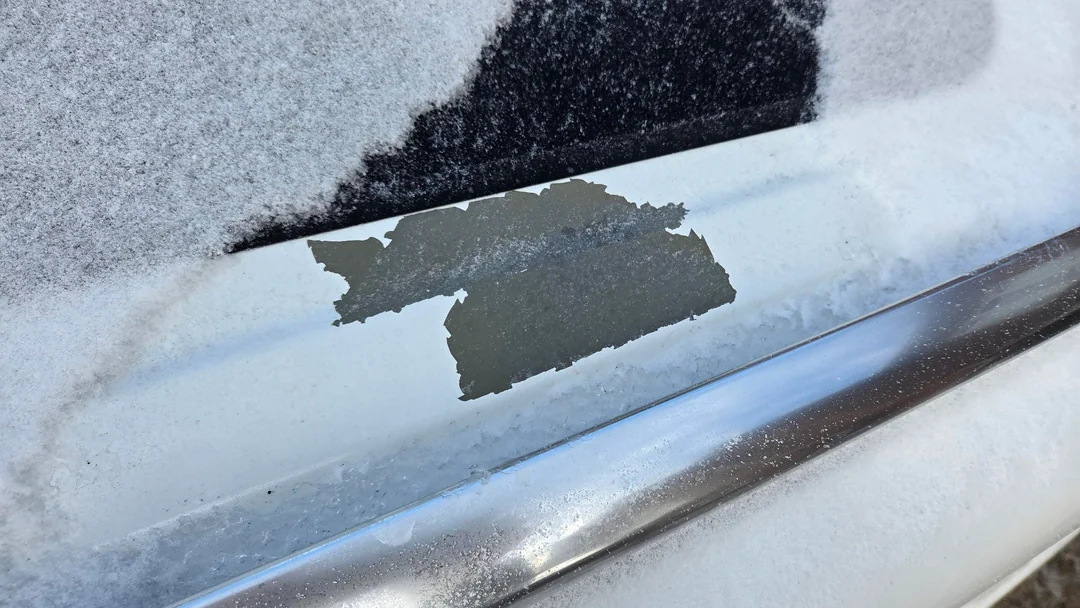
A Telluride can still look sharp from twenty feet away while hiding a costly problem along one roof edge, hood lip, spoiler, or pillar. For many U.S. owners, Kia Telluride paint peeling issues are frustrating because the SUV may drive well, hold family duty well, and still lose finish in a way that feels too early for a modern vehicle. The core concern is simple: paint that lifts, flakes, or separates from the surface is different from normal road rash. A rock chip leaves a wound. Poor adhesion lets that wound spread.
Owners searching for answers usually want to know three things fast. Is this common? Will Kia pay? What should you do before the dealer blames weather, car washes, or old damage? The smartest path is calm documentation, not guesswork. Keep photos, dates, mileage, wash history, and written dealer responses. If you also track auto ownership updates through consumer vehicle issue coverage, this is the kind of slow-building defect story worth watching before it turns into a resale headache.
Why Paint Peeling Issues Show Up Across Telluride Model Years
Paint failure feels random until you look at how SUV panels live day to day. The Telluride has broad, upright surfaces that take heat, highway grit, tree fallout, automatic wash brushes, road salt in northern states, and hard sun in places like Texas, Arizona, Georgia, and Florida. That does not prove a factory defect. It does explain why a weak spot can show itself sooner on a roof edge, hood front, liftgate, spoiler, or pillar than on a sheltered lower door panel.
Why the First Loose Edge Matters More Than a Small Chip
A normal chip has a clear point of impact. You can often see the nick, the pit, or the tiny crater where gravel hit the paint. It may be ugly, but it has a story.
Peeling is different. The edge lifts like a sticker that no longer wants to stay down. Once water, soap, and wind get under that edge, the finish can spread open farther than the original spot. That is why a dime-sized area near the hood lip can become a palm-sized patch after a week of highway rain.
The non-obvious part is that waiting can weaken your case. Owners often think, “I’ll mention it at the next oil change.” By then, the dealer may see a larger exposed area and argue outside damage, poor care, or delayed reporting. A quick photo on day one can matter more than a loud complaint on day thirty.
How White Pearl Paint Peeling Became the Owner Complaint to Watch
Among online owner reports, white and pearl finishes tend to draw extra attention because separation is easy to see. A dark shadow under white paint looks dramatic, even when the affected area starts small. Reports tied to white pearl paint peeling often mention roof areas, pillars, bumpers, and trim-adjacent edges, though online posts are not the same as a confirmed recall.
There is a practical reason these reports travel fast. White SUVs are common family vehicles, and Tellurides sold in strong numbers across the U.S. A parent in Ohio, a commuter in North Carolina, and a rideshare driver in California may all post similar photos, even if the cause differs by vehicle. That pattern can make Kia Telluride paint problems feel larger than any single dealer visit.
Still, color alone does not settle the issue. A poor prior repair, harsh chemical exposure, pressure washing too close to an edge, or winter salt left sitting in seams can all create similar-looking damage. The goal is not to prove the internet right. The goal is to build a clean record that separates owner-caused damage from possible adhesion failure.
Warranty Timing, Dealer Diagnosis, and the Fight Over Cause
Most owners lose patience at the same point: the dealer looks at the panel, says it may be outside influence, and the owner feels dismissed. That tension is baked into paint claims. Kia has to decide whether the finish failed because of materials or workmanship, while the owner has to show the vehicle was not damaged by impact, chemicals, neglect, or a prior repaint. Kia’s 2020 U.S. warranty manual says paint repairs for non-impact discoloration, fading, cracking, chipping, or flaking are covered for the first 36 months or 36,000 miles.
What the Telluride Paint Warranty Can and Cannot Solve
The Telluride paint warranty matters because paint coverage is shorter than the headline powertrain promise most buyers remember. A 10-year powertrain warranty sounds huge at the sales desk. It does not mean the finish is covered for ten years.
That gap catches owners off guard. Someone with a 2020 Telluride at 53,000 miles may still feel the SUV is “new enough,” but the paint clock may already be gone. That does not mean you should accept the first no. It means your argument has to move from standard coverage to goodwill, dealer advocacy, or proof that the failure started during the covered period.
A strong claim is boring on purpose. It includes the original purchase date, in-service date, mileage when first seen, photos from several angles, service records, and any body-shop note saying there is no sign of impact. Emotion may be honest, but paperwork moves the file.
Why Photos and Body-Shop Notes Carry More Weight Than Anger
Dealers hear complaints every day. A service adviser may not know whether your Telluride has a factory finish problem, a hidden impact mark, or an old repair from before you bought it used. You need to make the path easy.
Start with wide photos that show the panel location. Then take close shots with a coin or tape measure for scale. Capture the paint edge, not only the missing patch. The edge tells the story. If the surrounding finish is smooth and the clear coat or color coat is lifting in sheets, that looks different from scattered stone chips.
A third-party body shop can help, especially if it writes plain language. “No visible impact point found” is stronger than “customer says paint is defective.” A shop does not need to accuse Kia. It needs to describe what it sees. That calmer tone can help when you ask the dealer to submit a claim to Kia district or regional staff.
Repair Choices Before Small Flaking Turns Into a Bigger Bill
Once the finish opens, the owner has two fights. One is with Kia or the dealer over coverage. The other is with time. Exposed primer, plastic, or metal does not improve while you wait. Rain, UV exposure, winter salt, and repeated washing can widen the area. The repair choice should match the stage of failure, not the owner’s hope that the spot will stop on its own.
When Touch-Up Paint Is the Wrong Move
Touch-up paint works for chips. It is poor medicine for peeling. If the surrounding finish is not bonded well, dabbing color into the bare spot can seal nothing and hide evidence you may need later.
That surprises some owners because touch-up feels responsible. You see damage, you cover it. But when adhesion is the question, the loose edge needs inspection before it gets buried under a home repair. A dealer can also argue that the surface was altered after the defect appeared.
There is one exception. If bare metal is exposed and the dealer appointment is weeks away, ask the service department or body shop what temporary protection they recommend in writing. A mild temporary step can protect the panel without making it look like you caused the problem.
How to Compare Repaint, Panel Blend, and Goodwill Offers
A small affected section may not stay small during prep. A body shop may sand one edge and find the coating lifts farther. That is why estimates can jump from a spot repair to a full panel repaint or blended work across nearby panels.
For example, roof peeling near the windshield can become costly because moldings, rails, or glass-adjacent trim may need care. A hood-edge repair may require blending to avoid a mismatched front panel. A spoiler or liftgate area may involve plastic parts, clips, and color matching that looks simple until the part comes off.
If Kia offers partial goodwill, compare the total repair, not only the discount. A 50 percent offer on a poor repair is not better than paying more at a trusted shop. Ask what panels will be refinished, whether adjacent panels will be blended, what warranty the repair carries, and whether the shop will document the cause seen during prep. Your vehicle warranty claim guide can sit beside your estimate notes so every call stays organized.
Buying, Selling, and Protecting a Telluride With Paint History
Peeling paint is not only an owner annoyance. It affects how a used Telluride is inspected, priced, financed, and trusted. A buyer who sees roof flaking may wonder what else was missed. A seller who ignores the issue may face a lower offer, even if the SUV has clean mechanical records. This is where Kia Telluride paint problems become a money problem, not a cosmetic gripe.
What Used SUV Shoppers Should Inspect Before Signing
Used Telluride shoppers should inspect in daylight after the vehicle is washed. Indoor dealer lighting can hide dull clear coat, lifted edges, and color mismatch. Walk around slowly. Check the hood front, roof rails, windshield corners, A-pillars, spoiler, liftgate, bumper covers, and edges around trim.
Run your fingers near the edge without picking at the paint. A raised lip can be a warning. Look for a line where one panel looks cleaner, glossier, or slightly different in shade than the next. That may point to prior paintwork, which is not always bad, but it should be disclosed and inspected.
Ask for repair history before you negotiate. If the seller says the panel was repainted, ask where and why. If they say they never noticed the flaw, take that as a reason to slow down, not argue. A pre-purchase inspection should include finish condition, especially on white, pearl, and metallic colors. Your used SUV inspection checklist should treat paint as part of value, not decoration.
How Owners Can Reduce Risk Without Hiding the Problem
You cannot wash your way out of bad adhesion, but you can avoid making a weak finish worse. Use gentle car soap, rinse road salt soon after storms, skip harsh degreasers on painted panels, and keep pressure washer nozzles far from trim seams and lifted edges.
Parking helps too. A garage or shaded spot reduces UV load, especially in hot states. Ceramic coatings and paint protection film can protect good paint, but they are not cures for panels already separating. In fact, applying film over a weak edge can create trouble later when removal pulls more finish away.
If you plan to sell, disclose repair work and keep receipts. That sounds painful, but it can protect value. A buyer may accept a professional repaint with paperwork. They will not like finding hidden lifting after the sale. Clean records beat a shiny cover-up.
Conclusion
Paint failure on a family SUV hits a nerve because it feels unfair. The vehicle may be reliable, comfortable, and paid for with care, yet the outside starts telling a different story. That is why owners should treat early flaking as evidence to preserve, not a blemish to ignore. The lesson behind Kia Telluride paint peeling issues is simple: timing, proof, and calm pressure matter.
Check your warranty dates, photograph the first loose edge, get a written dealer response, and ask for escalation when the facts support it. Use the official NHTSA recall lookup for safety recalls by VIN, but remember that cosmetic finish complaints usually move through warranty, goodwill, dealer records, and owner documentation unless a formal campaign exists. NHTSA also tells owners they can use the agency’s recall tools and report possible safety defects when they believe a vehicle problem rises to that level.
Do not let the spot spread while everyone argues over cause. Build your file, protect the panel, and push for the cleanest repair path before a small lifted edge becomes the first thing every buyer sees.
Frequently Asked Questions
How common is peeling paint on a Kia Telluride?
Owner reports appear across forums, complaint sites, and social groups, but that does not prove every Telluride has a factory paint defect. The concern seems most visible when finish lifts in sheets rather than forming normal chips from road debris.
Does Kia cover Telluride paint under warranty?
Paint coverage is usually shorter than Kia’s powertrain warranty. The 2020 U.S. warranty manual lists non-impact paint flaking, cracking, fading, chipping, or discoloration coverage for 36 months or 36,000 miles. Ask your dealer to confirm your exact model-year booklet.
What should I do first if my Telluride paint starts peeling?
Photograph the area right away, note mileage and date, and avoid picking at the loose edge. Schedule a dealer inspection, then ask for written findings. A body-shop note can also help if there is no clear impact mark.
Is white pearl paint peeling worse than other colors?
White and pearl finishes often draw more attention because dark exposed areas stand out against the paint. Some owner reports focus on white pearl paint peeling, but color alone does not prove the cause. Inspection still matters.
Can a dealer deny my Kia paint claim?
Yes. A dealer or manufacturer may deny coverage if they believe the damage came from impact, chemicals, prior repair, poor care, or the vehicle being outside the coverage period. A denial should be requested in writing.
Is peeling paint a safety recall?
Usually, paint failure is handled as a warranty or body-finish issue, not a safety recall. A recall depends on safety risk or federal compliance. Still, owners can check their VIN on NHTSA’s recall tool for open safety campaigns.
Should I repaint one panel or the whole SUV?
Most owners start with the affected panel, but the right repair depends on color match, edge location, and how far the finish lifts during prep. Get at least two estimates if the repair is expensive or Kia offers partial payment.
Will peeling paint hurt Telluride resale value?
Yes, visible flaking can reduce buyer confidence and lower offers. Professional repair records help more than hiding the issue. Used SUV shoppers often treat exterior condition as a clue about care, even when the vehicle runs well.